The sequence re-ef-5k4451x represents a conceptual artifact that embodies the hybrid nature of modern symbolic identifiers. With its structured mix of letters, hyphens, and numerical characters, re-ef-5k4451x reflects how digital systems, coding standards, inventory schemas, authentication layers, data labeling, and symbolic communication interact across contemporary technological environments. In an era where complex identifiers support cloud systems, embedded devices, software builds, research datasets, and gaming environments, sequences like re-ef-5k4451x offer insight into how symbolic codes shape infrastructure and cultural perception simultaneously.
Modern identifiers blend letters, numbers, delimiters, and semantic cues to create tags that systems can store, sort, validate, and query efficiently. The hybrid structure of re-ef-5k4451x invites analysis from multiple viewpoints: computational, linguistic, semiotic, cognitive, creative, and cultural. The meaning of such a string does not need to be tied to a specific real-world entity to carry conceptual significance. Instead, re-ef-5k4451x becomes a platform for studying digital identity logic without implying personal identity or direct operational usage.
Understanding re-ef-5k4451x requires exploring how modern information systems use symbolic sequences to encode versioning, categorize inventory, manage authentication, track workflows, reference assets, or label computational tasks. It also requires acknowledging how humans interpret such sequences through pattern recognition, cultural association, fictional imagination, and symbolic reasoning.
Structural Composition, Syntax Form, and Pattern Recognition in Re-ef-5k4451x
The sequence re-ef-5k4451x contains multiple syntactic components: a two-letter prefix “re”, another two-letter component “ef”, a hyphen separator, a mix of alphanumeric characters, and a trailing letter “x”. The structure suggests segmentation and semantic grouping, much like standardized identifiers used in software engineering, networking, or manufacturing.
Breaking down the structure:
- “re” may appear like a prefix in programming contexts (e.g., referring to “regex”, “return”, or “revision”)
- “ef” resembles a further sub-identifier or category label
- The hyphen serves as a delimiter for readability and machine parsing
- “5k4451x” forms a longer alphanumeric block typical of serial-like codes
While none of these imply literal operational meaning here, they exhibit the textual patterns familiar within digital systems. Code-like sequences improve indexing, sorting, and grouping because computers rely on consistent formatting. Humans also benefit from segmentation: the hyphen makes re-ef-5k4451x more cognitively accessible than a continuous 12-character string.
Thus, the structure of re-ef-5k4451x demonstrates how symbolic syntax supports both machine logic and human pattern recognition.
Information Systems, Data Engineering, and Re-ef-5k4451x in Identifier Logic

Data-driven environments rely on symbolic identifiers to organize vast quantities of structured and unstructured information. Systems that might conceptually employ identifiers resembling re-ef-5k4451x include:
Software build versioning
Containerized deployments
Distributed computing nodes
Dataset partitions
Configuration profiles
Inventory tracking
Firmware releases
Cloud resource assignments
These identifiers are functional abstractions; they do not need to contain descriptive meaning. Instead, they act as pointers to metadata stored in databases or control planes. In such environments, re-ef-5k4451x functions as a conceptual placeholder for system-managed identity linking underlying data structures.
This identifier style reduces ambiguity since numeric-only or alphabetic-only identifiers lack the entropy needed for large-scale indexing. Mixed alphanumeric constructs like re-ef-5k4451x improve uniqueness and reduce collision risk without requiring user-readable semantics.
From a conceptual perspective, re-ef-5k4451x represents how symbolic abstraction enables data systems to scale.
Semiotics, Symbolic Interpretation, and Re-ef-5k4451x as Signifier
Semiotics examines signifiers (symbols) and signifieds (meaning). Re-ef-5k4451x functions as a signifier — a structured symbol awaiting meaning assignment. Without context, the meaning remains open-ended. Some symbols acquire meaning through:
Social usage
Technical standardization
Community conventions
Narrative assignment
Pattern association
For example, “x” endings often appear in hardware model codes, while hyphens appear in MAC addresses, UUID segments, or linguistic tokens. These cultural memories influence interpretation of re-ef-5k4451x—without providing literal semantic content.
The semiotic power of re-ef-5k4451x lies in its ambiguity. It embodies the symbolic nature of modern code, where identifiers gain meaning through contextual usage rather than intrinsic semantics. In that sense, re-ef-5k4451x serves as an example of how digital-era symbols exist in a constantly deferred state of meaning until anchored in a system or narrative.
Cognitive Processing, Memory Strategies, and Human Interpretation of Re-ef-5k4451x
Human cognition processes mixed symbols differently from words or numbers. Sequences like re-ef-5k4451x trigger pattern-based memory strategies. Chunking — separating sequences into manageable cognitive units — is a dominant strategy. The hyphen naturally divides re-ef-5k4451x into two manageable components.
Research on serial recall shows:
Separators improve memorization
Mixed symbols enhance pattern recognition
Alphanumeric blends trigger code association
Suffixes and prefixes become cognitive anchors
Thus, the human brain interprets re-ef-5k4451x not merely as random data, but as a pattern charting exercise. Code-like sequences create cognitive tension: the viewer wants to categorize, interpret, or “solve” the string. This psychological effect appears across serial numbers, product keys, and puzzle formats.
Re-ef-5k4451x therefore represents not only a symbolic construct but a cognitive engagement trigger.
Creative Writing, Worldbuilding, and Re-ef-5k4451x as Fictional Identifier
Fictional worlds frequently utilize symbolic codes to build immersion. Storytellers incorporate identifiers like re-ef-5k4451x to suggest technological depth without revealing operational detail. This technique appears in genres including:
Cyberpunk
Science fiction
Space operas
Post-apocalyptic narratives
Dystopian scenarios
Contemporary thrillers
Mystery puzzles
In fiction, re-ef-5k4451x could symbolize:
A classified file record
A research specimen tag
A spacecraft module code
A secure transmission handle
A contaminated zone ID
An inventory crate reference
A mission authorization token
Identifiers enhance narrative realism by implying infrastructure behind the scenes. Real-world bureaucracies and technical systems depend on identifiers, so fictional worlds mirror this complexity. Re-ef-5k4451x is flexible because it carries no fixed meaning and can be assigned narrative significance within any imaginative context.
Branding, Concept Identity, and Re-ef-5k4451x in Creative Media Environments
Digital branding sometimes incorporates alphanumeric aesthetics to convey futurism, encryption, or technical sophistication. Terms like re-ef-5k4451x could function conceptually as:
Music album titles
Art project labels
Indie game asset codes
XR environment build identifiers
Experimental design brand names
Crypto-art metadata tags
Brand identities that employ code-like naming tap into cultural fascination with digital secrecy, hacking, and cyber aesthetics. Alphanumeric strings present an enigmatic surface, inviting curiosity. Cultural movements in glitch art, vaporwave, cybernetics, and procedural design explore these aesthetics.
Re-ef-5k4451x has the structural qualities suitable for brand experimentation due to its distinctive grouping, hyphen usage, and balanced digit-to-letter ratio.
Algorithmic Systems, Machine Logic, and Re-ef-5k4451x as Neutral Input Token
Computational systems treat identifiers as neutral tokens. If processed programmatically, re-ef-5k4451x could be:
Hashed into binary representation
Indexed as a unique key
Tokenized as string data
Embedded into feature vectors
Stored for query retrieval
Validated via regex rules
Regex (regular expressions) would parse re-ef-5k4451x as a sequence matching patterns commonly seen in software configuration. Such parsing underlines how alphanumeric symbols achieve interoperability in automation pipelines.
To machines, re-ef-5k4451x is simply a dataset entry. To humans, it invites interpretation. This duality of machine neutrality and human symbolism characterizes much of modern tech culture.
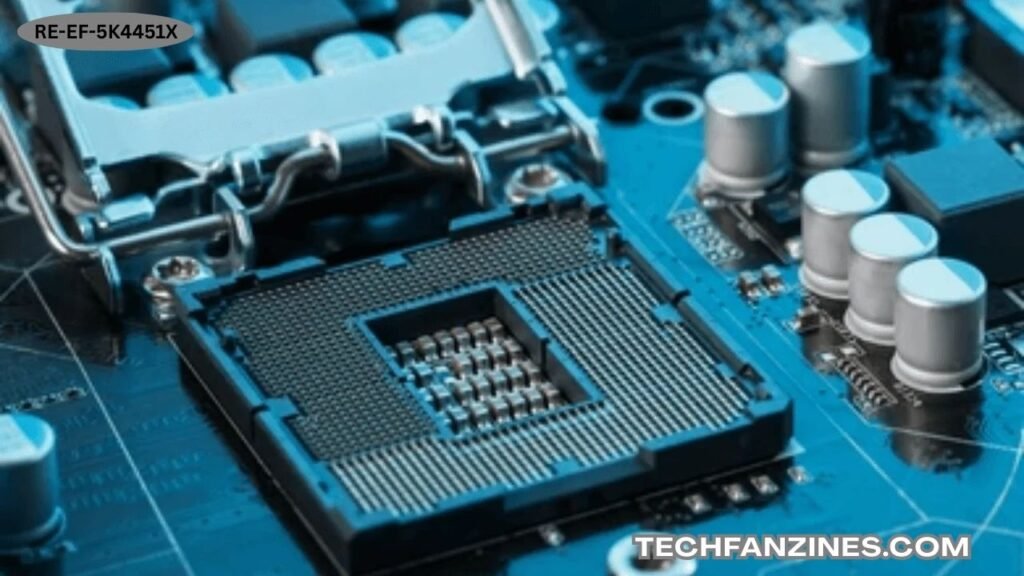
Technological Infrastructure, Inventory Systems, and Re-ef-5k4451x in Abstract System Context
Large-scale logistics, supply chains, and asset management systems rely on identifiers to track components through complex networks. A structured identifier like re-ef-5k4451x mirrors formats used in:
Warehouse slotting
Equipment tracking
Electronic component labeling
Pharmaceutical batch certification
Research sample indexing
Parts cataloging in manufacturing lines
Identifiers reduce ambiguity and improve auditability. The hyphens and alphanumeric structure of re-ef-5k4451x align with industry practices where readability and scanning efficiency matter.
The abstraction here highlights how re-ef-5k4451x symbolizes industrial organization without being tied to any real-world component.
Cyberculture, Memetic Identity, and Re-ef-5k4451x in Digital Expression
Internet subcultures frequently adopt symbolic strings for identity signaling, humor, or creative experimentation. In cyberpunk aesthetics, hacker fiction, online gaming communities, and digital art scenes, identifiers like re-ef-5k4451x evoke:
Encrypted data
Prototype designations
Software patches
Digital mystery or puzzle cues
Mod culture or custom firmware identity
Such identifiers become part of memetic expression, not as utility but as aesthetic artifacts. They evoke the atmosphere of hidden systems and underground networks, contributing to cultural imagery around security, anonymity, and digital rebellion.
Re-ef-5k4451x therefore translates easily into cultural-symbolic territory.
Philosophical Meaning, Ontology of Codes, and Re-ef-5k4451x as Abstract Artifact
At a philosophical level, coded sequences provoke questions about meaning, identity, and abstraction. Codes like re-ef-5k4451x raise questions such as:
Do symbols require meaning?
Can identity exist without context?
Is structure enough to confer significance?
Formalists argue that meaning arises solely from interoperability within a symbolic system. Under that interpretation, re-ef-5k4451x has meaning within a code system if a system defines it. Realists argue that meaning emerges through use rather than intrinsic value. Here, re-ef-5k4451x gains meaning only when humans or machines employ it.
This philosophical framing highlights how modern culture grapples with abstraction, code, and symbolic identity.
Conclusion
Re-ef-5k4451x serves as a conceptual identifier that illustrates how alphanumeric symbols operate across data systems, digital culture, cognitive processes, creative industries, semiotic structures, and philosophical inquiry. Rather than representing a real-world object, re-ef-5k4451x symbolizes the code-driven logic of modern infrastructures.
Through structural analysis, system architecture, semiotics, cognitive psychology, fictional worldbuilding, branding theory, machine logic, industrial use cases, digital culture, and philosophical interpretation, we see that re-ef-5k4451x embodies the technological condition of contemporary society — where symbolic identifiers form the hidden language of both human imagination and machine orchestration.