A private freight terminal is a specialized facility dedicated to the handling, storage, and movement of goods, operated privately by a company or consortium rather than public authorities. These terminals play a critical role in modern logistics, supply chain management, and transportation networks, offering enhanced efficiency, security, and operational control for businesses that rely on frequent shipping or bulk goods handling.
Unlike public terminals, private freight terminals are tailored to meet the specific needs of their owners or affiliated companies. They often serve as hubs for imports, exports, warehousing, and intermodal transport, providing a high level of customization in handling goods efficiently and cost-effectively.
Understanding private freight terminals requires exploring their operational structure, advantages, and role within global and regional logistics systems.
History and Evolution of Private Freight Terminals
The development of private freight terminals parallels the growth of industrial and commercial shipping. Early freight operations depended on public docks and shared warehouses, which often created bottlenecks, delays, and inefficiencies.
As businesses expanded and global trade intensified, companies recognized the need for dedicated facilities to control freight operations, reduce turnaround times, and improve supply chain reliability. This led to the rise of private freight terminals, particularly in sectors such as manufacturing, mining, agriculture, and e-commerce logistics.
Over time, technological advancements in cargo handling, tracking systems, and intermodal transportation have enhanced the capabilities of private freight terminals, making them essential in modern supply chain strategies.
Structure and Operations of a Private Freight Terminal
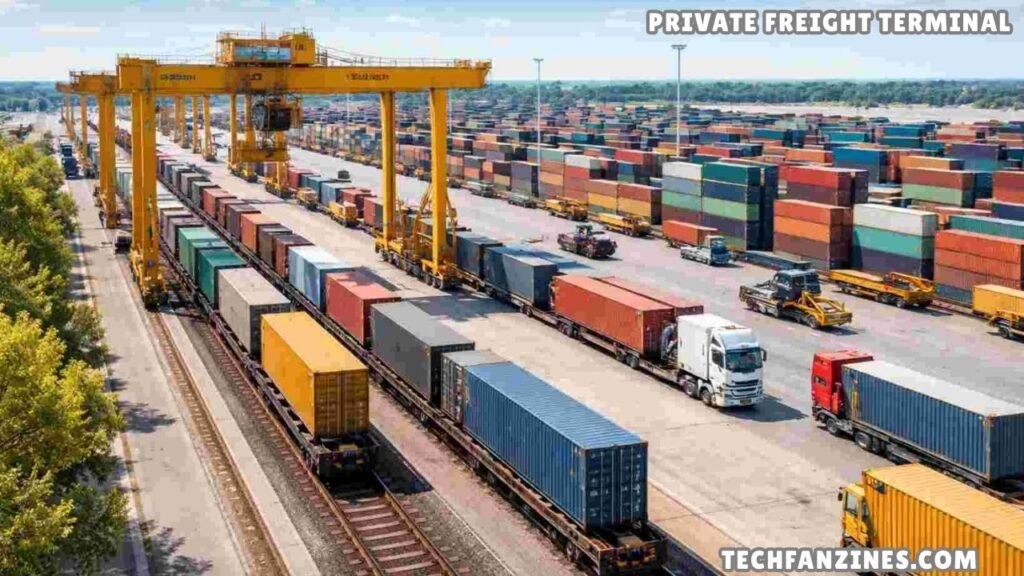
Private freight terminals are designed to manage the movement, storage, and processing of cargo efficiently. These facilities typically include specialized loading and unloading areas, storage warehouses, intermodal connections (rail, road, or port), and administrative offices to manage operations.
Operations at a private freight terminal often involve:
- Receiving Cargo – Accepting goods from suppliers, shippers, or transport partners.
- Storage and Handling – Organizing goods according to type, priority, or destination.
- Sorting and Consolidation – Preparing shipments for onward transport, optimizing space and logistics costs.
- Dispatching Freight – Ensuring timely delivery to customers, distribution centers, or export facilities.
- Documentation and Compliance – Managing customs, permits, safety protocols, and operational records.
Automation and modern IT systems are increasingly integrated into private freight terminals to improve accuracy, reduce errors, and track inventory in real-time.
Benefits of Private Freight Terminals
Private freight terminals offer numerous advantages for businesses that manage significant volumes of cargo:
- Operational Efficiency – Dedicated facilities allow faster loading, unloading, and dispatching, reducing delays.
- Cost Management – Controlling operations internally can lower handling fees and reduce dependence on public terminal schedules.
- Security and Control – Private access ensures safer cargo handling and reduced risk of theft or damage.
- Customization – Facilities can be tailored to specific goods, such as refrigerated products, heavy machinery, or bulk commodities.
- Flexibility in Scheduling – Companies can schedule freight operations according to business needs rather than relying on public timetables.
These benefits make private freight terminals attractive to industries with complex supply chains or time-sensitive deliveries.
Applications of Private Freight Terminals
Private freight terminals are widely used in sectors where logistics efficiency and cargo control are critical:
- Manufacturing – For inbound raw materials and outbound finished goods.
- Agriculture – Handling large volumes of crops and perishables with specialized storage.
- Mining and Heavy Industry – Managing bulk raw materials and equipment.
- E-Commerce and Retail – Accelerating distribution for high-volume order fulfillment.
- Port and Intermodal Operations – Serving as hubs connecting rail, road, and maritime transport.
In each application, the private terminal provides enhanced operational control, reduced congestion, and better alignment with the company’s strategic logistics goals.
Key Components of a Private Freight Terminal
Private freight terminals include several critical components to ensure smooth operations:
- Warehouses – Secure, organized spaces for storing cargo.
- Loading Docks – Designed for efficient transfer between vehicles or transport modes.
- Intermodal Access – Rail or port links to integrate with broader supply chains.
- IT and Tracking Systems – Software for inventory, scheduling, and monitoring cargo movement.
- Security Systems – Surveillance, restricted access, and compliance measures.
Optimizing these components enhances throughput, reduces errors, and supports cost-effective operations.
Challenges in Operating Private Freight Terminals
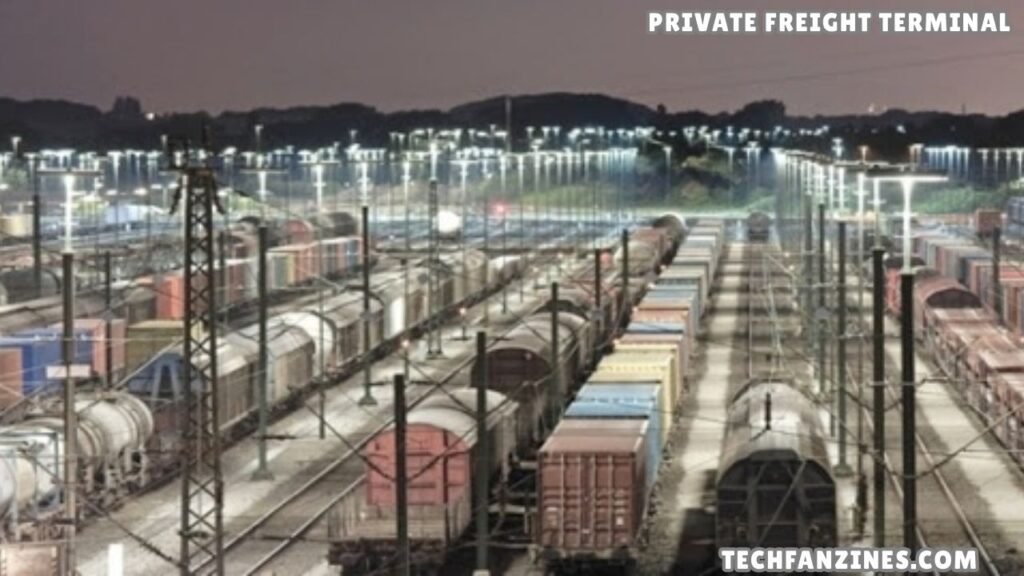
While private freight terminals offer many advantages, they also present operational challenges:
- High Capital Investment – Establishing a private terminal requires significant infrastructure and equipment expenditure.
- Regulatory Compliance – Operators must adhere to safety, environmental, and customs regulations.
- Maintenance and Staffing – Efficient management depends on skilled personnel and ongoing facility maintenance.
- Capacity Planning – Balancing peak demand and underutilization is crucial to optimize cost efficiency.
- Technology Integration – Implementing advanced tracking, automation, and software systems can be complex.
Careful planning, professional management, and investment in technology are essential to overcome these challenges.
Private Freight Terminals vs Public Terminals
Understanding the differences between private and public freight terminals highlights why companies invest in dedicated facilities:
- Access – Private terminals are restricted to authorized users, while public terminals are open to multiple operators.
- Control – Companies can dictate schedules, processes, and priorities in private terminals.
- Cost – While the initial investment is higher, private terminals can reduce long-term handling and operational fees.
- Customization – Private facilities can be tailored for specific cargo types and operational needs, unlike public terminals.
For businesses handling high volumes or specialized goods, private terminals provide strategic advantages that public facilities cannot match.
Future Trends in Private Freight Terminals
The future of private freight terminals is closely linked to technological innovation, sustainability, and the globalization of supply chains:
- Automation and Robotics – Automated cargo handling and AI-driven inventory management will increase efficiency.
- Green Logistics – Eco-friendly terminals with energy-efficient systems, electric vehicles, and renewable energy integration.
- Data-Driven Operations – Real-time analytics and predictive modeling to optimize scheduling and reduce bottlenecks.
- Intermodal Expansion – Enhanced connectivity with rail, port, and road systems to support faster and more reliable transport.
- Security Innovations – Advanced surveillance and cybersecurity solutions to protect sensitive cargo.
As trade volume grows and supply chains become more complex, private freight terminals will continue evolving to meet these demands.
Conclusion
Private freight terminals represent a strategic asset for businesses seeking operational efficiency, security, and control in logistics. By providing dedicated facilities for cargo handling, storage, and distribution, these terminals enhance supply chain performance while reducing costs and risks.
From manufacturing and agriculture to e-commerce and heavy industry, private freight terminals play a critical role in modern supply chains. Although initial investment and regulatory compliance are significant considerations, the long-term benefits in efficiency, flexibility, and operational control make them indispensable for high-volume freight operators.
As technology advances and global trade continues to expand, private freight terminals are poised to remain at the forefront of logistics innovation, offering businesses a competitive edge in an increasingly demanding market.
Also read: Albfilm24: Online Streaming, Features, Content & Trends