When businesses or website owners search for godoxy web analytics, they’re typically looking for a tool or platform that helps them understand how users interact with their websites. In today’s competitive digital landscape, data-driven decision-making is essential. Web analytics provides insights into user behavior, traffic patterns, and performance trends — all of which help improve strategy, engagement, and conversions.
This guide breaks down everything you need to know about Godoxy Web Analytics, including what it is, how it works, the features it offers, how companies benefit from it, and why web analytics remains a cornerstone of successful online presence.
What Is Godoxy Web Analytics
Godoxy Web Analytics refers to a system or platform designed to collect, measure, and analyze data about website visitors and their actions. Instead of guessing how users behave, web analytics tools provide real numbers showing what’s happening behind the scenes.
This insight helps businesses understand questions like:
• Who visits my site?
• What pages do they view?
• How long do they stay?
• Where do they come from?
• What actions do they take?
By answering these questions, businesses can optimize content, improve user experience, and increase conversions.
Core Metrics Tracked by Godoxy Web Analytics
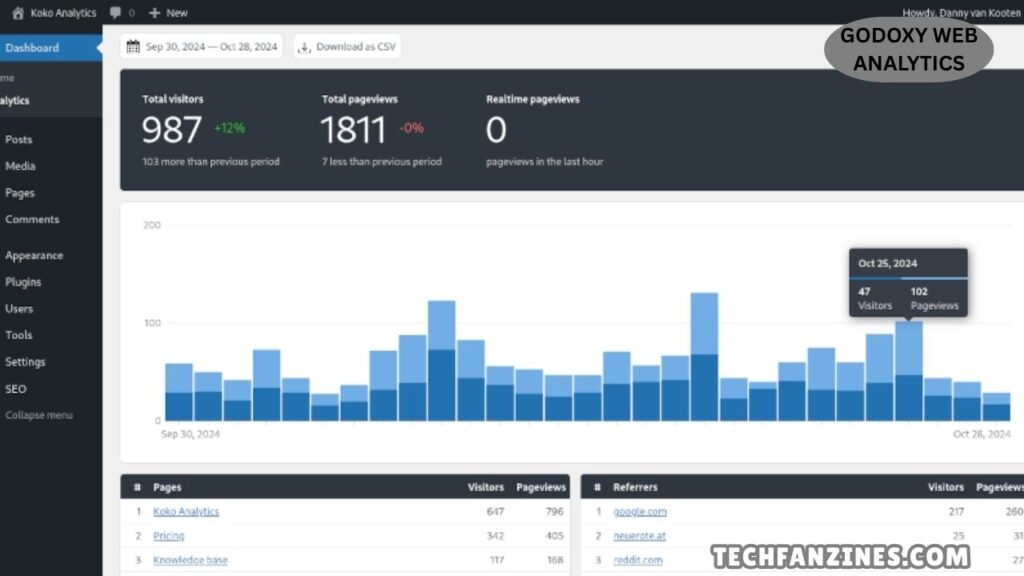
Web analytics platforms typically track a variety of key performance indicators (KPIs). Some of the most important metrics include:
• Page Views: How many times a page is seen
• Unique Visitors: How many individual users visit
• Bounce Rate: Percentage of users who leave quickly
• Session Duration: Average time spent on the site
• Traffic Sources: Where visitors come from (search, social, referral)
• Conversion Rate: Percentage of visitors who complete desired actions
Together, these metrics paint a rich picture of website performance and user engagement.
Key Features of Godoxy Web Analytics
A powerful web analytics platform usually offers features such as:
- Real-Time Tracking – See visitor activity as it happens
- Traffic Source Breakdown – Understand where users originate
- Visitor Behavior Reports – Analyze page flow and engagement
- Custom Dashboards – Visualize data in clear charts and tables
- Conversion Funnels – Track path to goals like signups or purchases
- Segmentation Tools – Filter audiences by behavior or attributes
- Automated Reporting – Schedule reports for key metrics
These features help users not just access data, but interpret it meaningfully.
Why Web Analytics Matters
Web analytics has become essential because it removes guesswork from decision-making. Instead of relying on assumptions, businesses use actual user data to guide strategy.
Some reasons analytics matters include:
• Identifying high-performing content
• Understanding user intent
• Detecting drop-off points in funnels
• Measuring campaign effectiveness
• Improving user experience design
Without analytics, businesses are left navigating based on intuition rather than insight.
Benefits of Using Godoxy Web Analytics
Adopting a web analytics platform like Godoxy offers several advantages:
• Better Audience Understanding: Know who your visitors are and how they behave
• Enhanced Marketing ROI: See which campaigns drive traffic and conversions
• Improved User Experience: Identify where users struggle and fix issues
• Strategic Growth: Use insights to plan expansion, content, and product improvements
• Data-Driven Culture: Make decisions based on measurable results
These benefits help businesses improve visibility, engagement, and revenue over time.
Use Cases for Web Analytics
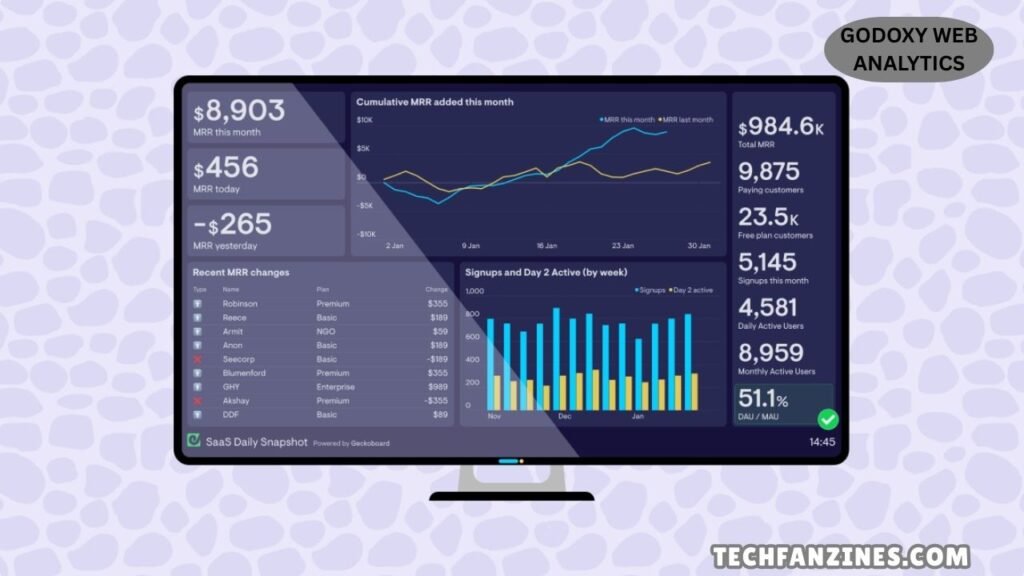
Web analytics is useful for a variety of roles and purposes:
• Digital Marketing: Track campaign performance
• Product Teams: Understand feature usage and user paths
• Content Creators: See which articles or videos attract attention
• Sales Teams: Identify behaviors that lead to conversions
• Executives: Monitor overall performance and growth trends
Regardless of role, analytics empowers people to understand what works and what doesn’t.
How Godoxy Web Analytics Works
Most web analytics tools work by adding a tracking script or code snippet to website pages. When a user visits a page, this script collects information such as:
• Browser type
• Device type
• Date and time of visit
• Pages viewed
• Actions taken (clicks, form submissions)
This data is sent to a central database where it’s processed and presented through visual dashboards and reports.
Interpreting Analytics Data
Collecting data is just the first step. The real value lies in interpretation. For example:
• A high bounce rate on key landing pages may signal poor design
• Short session durations might indicate irrelevant content
• Strong traffic from search engines suggests effective SEO
• High conversions from social campaigns reveal audience engagement
Interpreting analytics correctly helps businesses make actionable improvements.
Integration With Other Tools
Web analytics platforms often integrate with other systems such as:
• CRM software
• Email marketing tools
• Advertising platforms
• E-commerce systems
• Content management systems
Integration enables deeper insights, such as tracking user journeys from ad click to purchase.
Setting Goals and Tracking Conversion
Goal setup is an essential part of web analytics. Goals define what success looks like — for example:
• Newsletter signups
• Form completions
• Product purchases
• Account registrations
By tracking conversions, businesses know whether their strategies are working.
Reporting and Visualization
Analytics platforms provide data through visual reports that make interpretation easier. Dashboards often include:
• Line charts for trends over time
• Pie charts for traffic source breakdowns
• Tables for detailed page metrics
• Comparative reports for time periods
Visual representation simplifies complex data and highlights patterns.
Common Mistakes to Avoid
When using analytics, some common pitfalls include:
• Ignoring data anomalies
• Focusing only on raw numbers without context
• Not setting clear goals
• Overlooking mobile user behavior
• Ignoring site speed and performance metrics
Avoiding these mistakes leads to more accurate insights and better decisions.
Future Trends in Web Analytics
Analytics continues evolving with trends such as:
• AI-powered predictive analytics
• Privacy-centric tracking
• Cross-device tracking
• Enhanced segmentation
• Automated insights and recommendations
Staying up-to-date ensures users get maximum value from analytics tools.
Conclusion
In today’s data-driven world, Godoxy Web Analytics represents the kind of platform that helps businesses understand, measure, and improve their digital presence. By tracking user behavior, analyzing traffic patterns, and interpreting engagement metrics, web analytics becomes a fundamental part of strategic decision-making.
Whether your goal is to improve marketing performance, increase conversions, or enhance user experience, a solid analytics framework provides the clarity needed to make smart decisions. Understanding how web analytics works and how to interpret its insights ensures that data becomes a powerful asset rather than just numbers on a screen.
Also read: Software Keepho5ll Explained: Features, Uses & Benefits